It was my very first trip to London in December 2014. I was following my boss at the time through the labyrinth of changing at Bank, as I had no idea where he was going and how he managed to figure out where we needed to head in the first place. With my blind trust in him and my desperate attempts not to lose him out of my sight in a crowd of Londoners, it was inevitable that I would bump into someone on my way. ‘Oh I’m so sorry!’ I exclaimed with my very Slavic accent at the time. It was met with a succinct ‘sorry!’ from the gentleman whom I accidentally hit and who had now almost disappeared in the crowd, dashing towards whatever the life in London promised to him.
A few minutes later, standing at the District Line platform, I told my boss, who used to live and study in the UK, about that funny encounter. ‘Get used to it, Kate. You will be coming here a lot, and you might as well get accustomed to saying ‘sorry’ and getting it in response even when it was your fault’, he responded. It made zero sense to me at the time. Now, it’s my default setting whether it makes sense or not.
Is it politeness or passive aggression after all?
(Like there’s a difference).
British manners has become a source of many jokes, anecdotes and cultural clichés around the world, in particular across the pond where they tend to portray the Brits as arrogant, stuck up and either elitist and rude or ridiculously polite and unable to speak up their minds. Needless to say, despite me having met a handful of people who live up to either of those clichés, most Brits I had a pleasure of getting acquainted with are far from that stereotype.
Even though Belarusians tend to be quite mild-mannered, our cultural code is to be fairly straightforward, not to beat around the bush and to refrain from ceremonies such as asking people ‘How are you?’ (in particular when you couldn’t care less about how they were doing) or smiling. There’s even a proverb in Russian that can be loosely translated as ‘laughing for no reason is a sign of being a fool’, which is probably why Eastern Europeans make an impression of gloomy and reserved folks. Originally, in my first few years of living in London, the British politeness tended to baffle me. I saw it as a sign of insincerity, mannerism and even creating difficulty in getting direct feedback from others.
It all changed after a brief conversation with someone who was born and raised in Romania when Ceaușescu was still in power. He pointed out to me that the whole communication environment in Eastern European countries tends to be pretty aggressive and borderline hostile. The social protocol allows excessive use of swear words against other people, showing aggression or having a heated argument publicly and deliberately omitting words ‘sorry’ or ‘thank you’. It’s fine not to apologise to people you shove on public transport or to yell at a stranger in a grocery shop. Having thought about it and weighing my arguments between life in a polite society that sticks with passive aggression and a life in a place where overt aggression is the norm, I opted for the former.
So how do you make sense of what Brits actually mean?
Through trial and test, I have managed to establish a few helpful tricks that help me understand the underlying context and what my British counterpart really has on their mind. Here’s what I found useful:
- Pay attention to non-verbal cues – to rephrase an old proverb, tone of voice, facial expressions and gestures speak louder than words in Britain. If you hear tones of lead in the voice when someone says ‘I was quite surprised by…’, it most likely means they were pissed off. If they say it in a friendly manner, with a smile and a tinkle in their eyes, just smile, nod and say ‘oh, thank you very much for sharing it with me, I do appreciate it!’
- Mirroring – one of the oldest tools in the toolkit of a good conversationalist. (Took me ages to learn, though.) When you mirror a few keywords (or ideally – the last few words you heard), it instantly prompts your counterpart to take their train of thought further than they expected to. And that’s what gives you priceless context. Works well beyond Britain, mind!
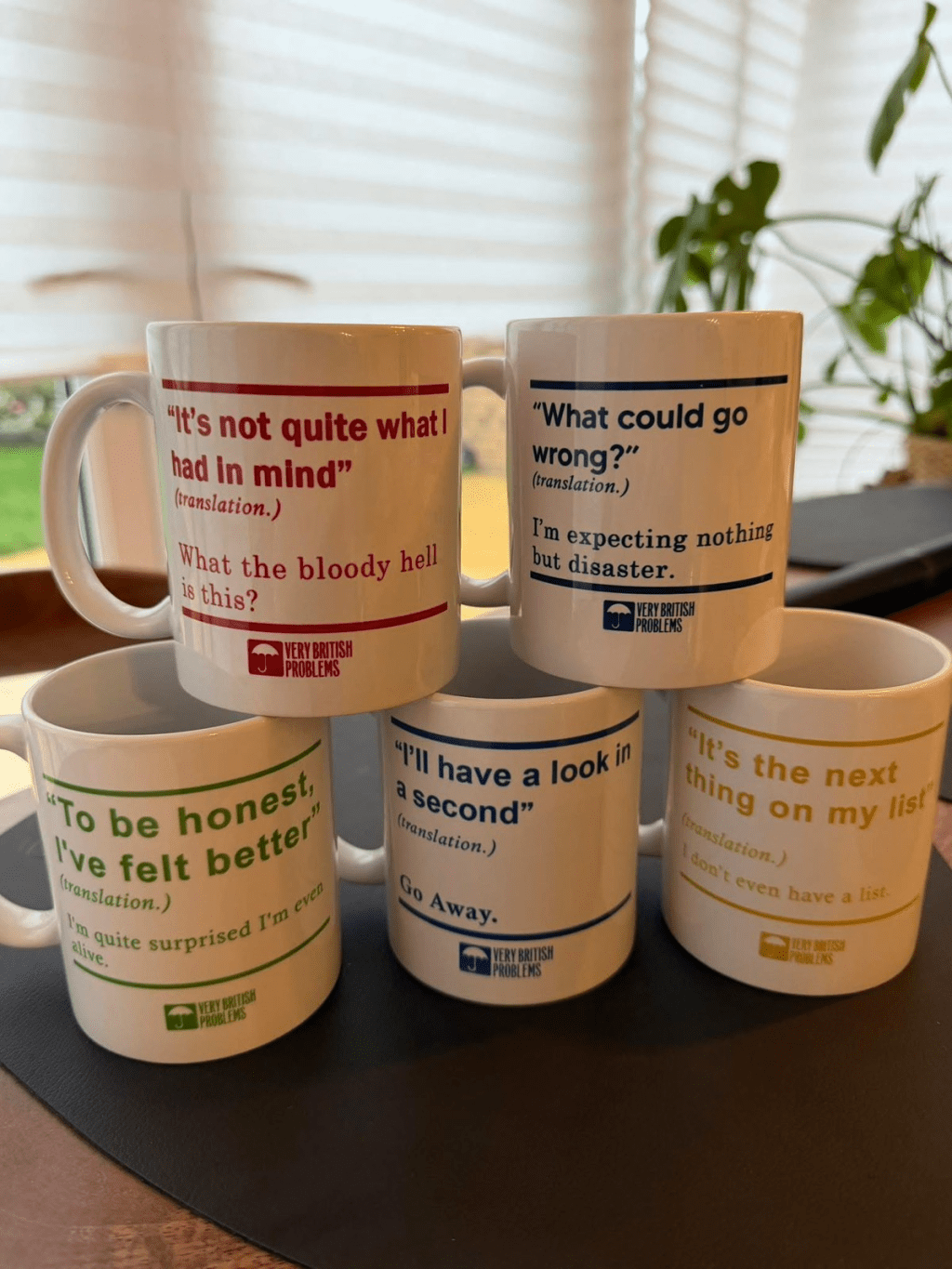
- The table below – ah, an absolute lifesaver, especially when you are still new to the UK culture and are desperate for a shortcut until figuring out the real motives and emotions of your British colleagues, clients and friends.

Life in the UK makes you a better communicator across the board as you get better at reading non-verbal signs, minding other people’s feelings and listening carefully to what the other person is trying to convey. And as you build and nurture relationships in this country, remember one thing – if you start getting straightforward answers, strong language or any other expressions of emotions that don’t sound very British to you from someone you have known for a while, you’re good. It means you are friends now.




 Minsk to Mist
Leave a comment